How to Find Reliable Septic Repair Services Near You
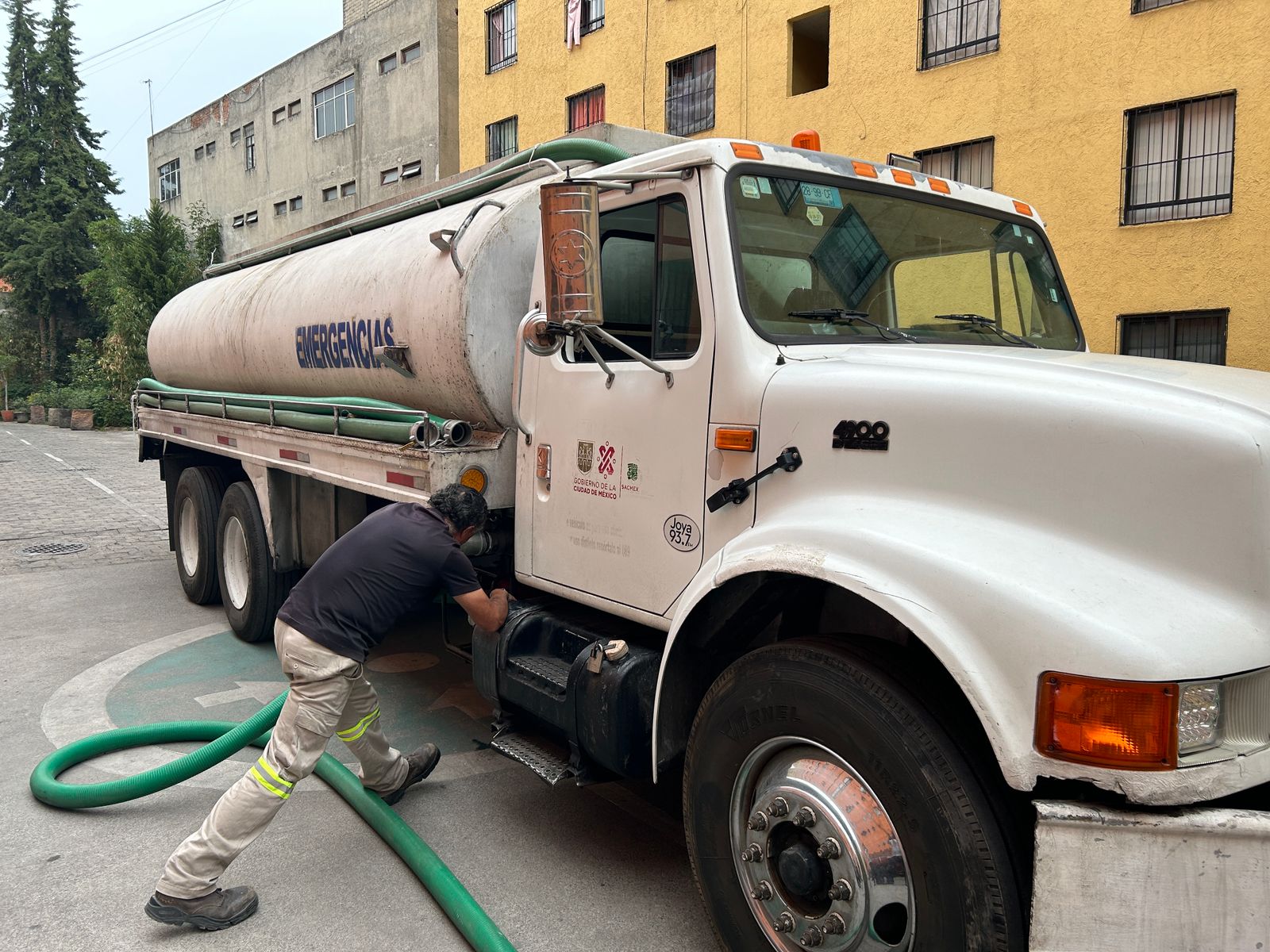
When something goes wrong with your septic system, the pressure to find help fast can lead to expensive mistakes. I've seen homeowners hire the first company that answers the phone, only to discover the work was done incorrectly, the provider wasn't properly licensed, or the repair didn't actually fix the problem. Finding a reliable septic repair service takes a little more effort upfront, but that effort pays for itself many times over.
Here's how to find a provider you can trust — before the situation becomes an emergency.
Quick Answer: Look for licensed, insured providers with septic-specific experience (not just general plumbing), transparent pricing, and verifiable references. Get at least two to three estimates before committing, and never hire someone who can't show proof of licensing and insurance.
Why Choosing the Right Provider Matters More Than You Think
Septic work isn't like most home repairs. A botched septic job can contaminate your groundwater, destroy your drain field, violate environmental regulations, and result in fines from your local health department. In some states, unpermitted or improperly performed septic work can create legal liability that follows the property through future sales.
The difference between a qualified septic professional and someone who just owns a pump truck is significant. A qualified provider understands soil conditions, local regulations, system design, and the biology that makes septic treatment work. That knowledge matters when the job is more than a simple pump-out.
What Credentials to Look For
The first thing to verify is whether the company is properly licensed to perform septic work in your state and county. Licensing requirements vary widely — Texas requires separate licenses for installers and maintenance providers, and aerobic systems demand a licensed maintenance company with a service contract. Florida licenses septic contractors through the Department of Health at the county level. Some states have statewide licensing, while others like Michigan handle it county by county.
Ask the company directly: "What is your septic contractor license number?" A legitimate provider will give it to you immediately. If they hesitate, deflect, or say they don't need one, move on.
Beyond licensing, look for proof of insurance. At minimum, you want general liability insurance and workers' compensation coverage. Septic work involves heavy equipment, excavation, and exposure to hazardous waste. If an uninsured worker is injured on your property or the repair causes damage, you could be personally liable.
Bonding is an additional layer of protection — it guarantees the company will complete the work as agreed. Not all states require bonding, but companies that carry it are signaling a higher level of professionalism.
Professional certifications add another layer of credibility. Look for certifications from organizations like NAWT (National Association of Wastewater Technicians) or your state's onsite wastewater association. These certifications require ongoing education, which means the provider stays current on evolving codes, technologies, and best practices.
Questions to Ask Before Hiring
Calling a septic company shouldn't feel like an interrogation, but asking the right questions upfront saves you from problems later. Here are the ones that matter most:
"How long have you been doing septic work specifically?" General plumbing experience is useful, but septic systems are a specialized field. A plumber who mainly does drain cleaning may not have the expertise to diagnose a failing drain field or evaluate an aerobic treatment unit. Look for at least five years of septic-specific experience.
"Can you provide a written estimate before starting work?" Any reputable company will inspect the situation and give you a written estimate that breaks down the cost. If a company refuses to put pricing in writing or gives you a vague "it depends" without looking at the system, that's a red flag.
"What's included in the estimate?" Understand exactly what you're paying for. Does the price include only the repair, or does it also cover the diagnostic work, permits, and cleanup? Are there additional charges for access issues, travel distance, or disposal fees? Get the full picture upfront.
"Do you handle the permitting?" Many septic repairs require permits from your local health department. A reliable provider will know the permitting requirements in your area and handle the process for you. If they tell you permits aren't needed for significant repair work, verify that independently — it could be a sign they're cutting corners.
"Do you offer any warranty on the repair?" Quality providers stand behind their work. A warranty on labor and materials — even for 90 days to a year — shows confidence in the repair. Companies that won't warranty anything are telling you something about the quality of their work.
Red Flags That Should Make You Walk Away
Not every company that shows up in a search result is worth hiring. Watch for these warning signs:
A company that quotes a price over the phone without seeing the problem is guessing, and that guess will almost always change once they're on site — usually upward. Legitimate diagnosis requires an on-site evaluation.
High-pressure sales tactics — "We need to start today or the damage will double" — are designed to prevent you from getting a second opinion. While some septic situations are genuinely urgent, a reputable provider will explain the urgency honestly and still give you time to make an informed decision.
No online presence at all can be a concern. While many excellent septic companies are small, family-run operations, a complete absence of any website, business listing, or reviews makes it difficult to verify their legitimacy. At minimum, they should have a Google Business profile or be listed in a professional directory.
Asking for full payment upfront before any work begins is unusual for standard septic repairs. A deposit is reasonable for larger jobs like system installation or drain field replacement, but paying 100% before work starts eliminates your leverage if the job goes sideways.
How Many Estimates Should You Get?
I'd recommend getting at least two to three estimates for any repair that will cost more than a few hundred dollars. This isn't just about finding the lowest price — it's about comparing what each company recommends. If two out of three companies say you need a minor repair and one says you need a full system replacement, that discrepancy is important information.
When comparing estimates, make sure you're comparing the same scope of work. One estimate might be lower because it covers a temporary fix, while a higher estimate addresses the root cause. Ask each company to explain what they're recommending and why.
The Difference Between Septic and Plumbing
One common source of confusion is knowing whether you need a plumber or a septic specialist. Here's a simple way to think about it: if the problem is between your house and the septic tank — a clogged drain line, a broken pipe under the foundation, or a slow-draining fixture — a plumber can usually handle it. If the problem involves the tank itself, the drain field, the distribution box, or the overall system performance, you need a septic specialist.
Some companies do both plumbing and septic work, and that can be convenient. Just make sure the person doing the septic work has the appropriate septic licenses, not just a plumbing license.
Building a Relationship Before You Need One
The best time to find a septic provider is before you have a problem. If you schedule routine maintenance — a pump-out and inspection every three to five years — you build a relationship with a company that already knows your system. When something does go wrong, they have history on your tank, your drain field, and your property layout. That familiarity translates to faster, more accurate diagnosis and repair.
Many septic companies also offer maintenance contracts, especially for aerobic systems that require regular inspections. These contracts often include priority service for emergencies, which can be valuable when you're competing with other homeowners for the same provider's time during a busy season.
Where to Start Your Search
If you're starting from scratch, you have several options. State and county health departments often maintain lists of licensed septic contractors — that's one of the most reliable starting points because the licensing is verified. Industry associations like NOWRA (National Onsite Wastewater Recycling Association) and state-level onsite wastewater associations maintain member directories of credentialed providers.
You can also browse our directory by state to find septic service providers in your area. Every listing includes the provider's services, credentials, service area, and contact information — giving you a head start on the vetting process.
The Bottom Line
Finding a reliable septic repair service comes down to doing your homework before the emergency hits. Verify licensing and insurance, ask the right questions, get multiple estimates for significant work, and watch for red flags that signal an unqualified or unprofessional operator. The small amount of time you invest in finding the right provider protects you from the much larger cost of a bad repair — both financially and for the long-term health of your system.
Your septic system is one of the most expensive components of your property to replace. Trusting it to a qualified professional isn't an expense — it's protection for an investment worth tens of thousands of dollars.