How Often Does a Sewer Need to Be Pumped?
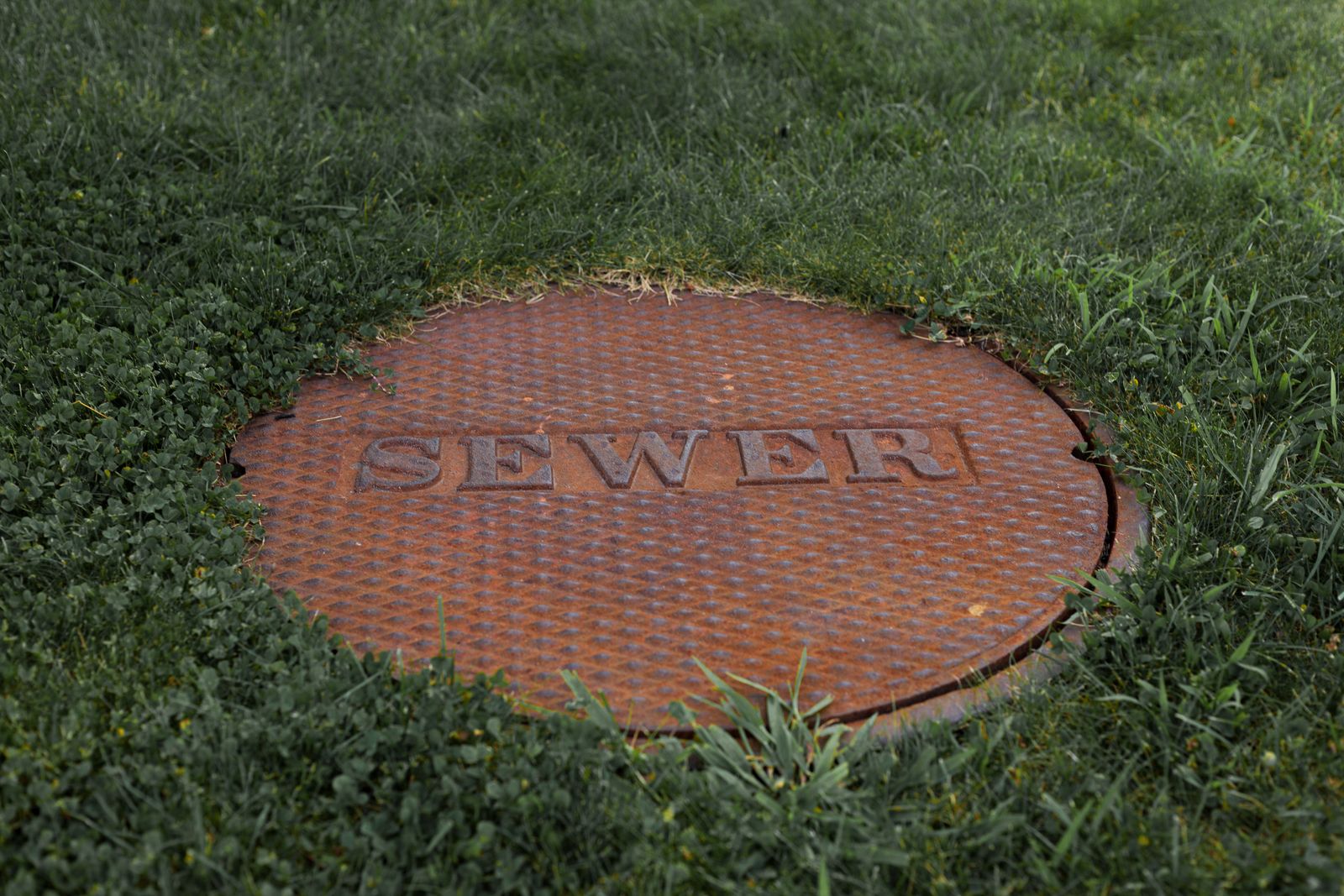
"How often does a sewer need to be pumped?" is one of the most common questions homeowners ask, and the answer depends entirely on which type of wastewater system your home uses. If you're on a septic system, pumping is a regular maintenance task that falls on you. If you're connected to a municipal sewer, the city handles the heavy lifting — but there are still situations where your sewer line might need professional attention.
I'll cover both scenarios so you can figure out exactly what applies to your home and what schedule you should be following.
Quick Answer: If you have a septic system, pump the tank every three to five years depending on household size and tank capacity. If you're connected to a municipal sewer, you generally don't need pumping, but your sewer lateral (the pipe from your house to the main) should be inspected or cleaned every few years if you experience recurring issues.
Septic Systems: Pumping Is Your Responsibility
More than one in five American homes — over 21 million households — use a private septic system instead of connecting to a municipal sewer. If your home has a septic tank buried in the yard, pumping is not optional. It's the single most important maintenance task you'll perform as a homeowner.
Inside your septic tank, wastewater separates into three layers. Solids settle to the bottom as sludge. Grease and light materials float to the top as scum. The relatively clear liquid in the middle flows out to the drain field for soil treatment. Over time, the sludge and scum layers grow thicker. When they take up too much of the tank's capacity, solids can escape into the drain field and cause permanent damage.
Pumping removes those accumulated layers and resets the tank to operating condition. The general recommendation is every three to five years, but several factors affect your specific timeline.
Tank size is the foundation of your schedule. Smaller tanks fill faster than larger ones. A 750-gallon tank serving a family of four may need pumping every one to two years. A 1,500-gallon tank serving the same family might go three to four years.
Household size is the other major variable. More people means more wastewater and more solids entering the tank daily. A two-person household generates significantly less waste than a household of five or six.
Garbage disposal usage accelerates sludge buildup. If you use a garbage disposal regularly, plan on pumping about a year sooner than you otherwise would. The food waste adds solid matter that the tank's bacteria can only partially break down.
Water usage patterns matter as well. High-volume water days — multiple loads of laundry, hosting guests, running the dishwasher and shower simultaneously — push wastewater through the tank faster than it can settle, potentially pushing solids into the drain field.
For a practical reference: a family of four with a standard 1,000-gallon tank should typically pump every two to three years. A couple in the same house can often stretch to four or five years. Adjust from there based on your habits.
Municipal Sewer: Mostly Hands-Off, But Not Entirely
If your home connects to a municipal sewer system, your wastewater flows through an underground pipe — called a sewer lateral — from your house to the city's main sewer line in the street. From there, it travels to a centralized treatment plant where it's processed at an industrial scale.
In this setup, you don't need to pump anything. The city maintains the main sewer lines, operates the treatment plant, and funds it all through your sewer fees. From a pumping standpoint, you're covered.
However, you are responsible for the sewer lateral — the pipe between your house and the point where it connects to the city's main line, usually at the property boundary. This pipe can develop problems that create backups and may need professional cleaning or repair.
Tree root intrusion is the most common issue. Roots seek out moisture and can grow into cracks or joints in the lateral pipe, eventually blocking the flow. If you have large trees near your sewer line and experience recurring slow drains or backups, root intrusion is a strong possibility.
Grease buildup over time can also narrow the pipe's effective diameter. Cooking grease that goes down the kitchen drain solidifies as it cools and coats the inside of the pipe. Over years, this can reduce flow significantly.
Older homes with clay or cast-iron lateral pipes are especially vulnerable to deterioration, cracking, and root intrusion. Modern PVC pipes are more resistant to these problems.
If you're on municipal sewer and experiencing recurring backups, having the lateral inspected with a sewer camera and cleaned with a professional hydro-jetting service can resolve the issue. This isn't pumping in the same sense as a septic tank pump-out, but it serves a similar purpose — clearing buildup to restore flow.
How to Know Which System You Have
If you're not sure whether your home is on a septic system or municipal sewer, there are a few simple ways to find out.
Check your property records or the disclosure documents from when you purchased the home. Septic systems are typically noted in home inspection reports and real estate disclosures.
Look at your utility bills. If you pay a monthly sewer fee to your city or county, you're likely connected to municipal sewer. If you don't have a sewer charge, you're probably on a septic system.
Look in your yard for the septic tank access lid. It's usually a round or rectangular concrete or plastic cover, sometimes flush with the ground and sometimes slightly raised, located 10 to 25 feet from the house. If you can find it, you have a septic system.
If you're still not sure, call your local health department or building department. They maintain records of septic system permits and can tell you what's on your property.
Pump Chambers and Lift Stations: A Special Case
Some properties have a pump chamber — a separate tank with an electric pump that moves wastewater from a low point to a higher point in the system. This applies to both septic systems (where the drain field is uphill from the tank) and some municipal sewer connections (where the house sits below the sewer main).
Pump chambers need their own maintenance. The pump and float switches should be inspected annually. The chamber itself may need pumping if solids accumulate inside it. If the pump fails, wastewater backs up into the house, so many systems include an alarm that alerts you to a pump malfunction.
If your property has a pump chamber — also sometimes called a lift station — make sure it's included in your maintenance schedule. It's a mechanical system that will eventually need repair or replacement, typically every 7 to 15 years depending on usage and quality.
What Happens When You Don't Pump on Schedule
For septic systems, the consequences of skipping pump-outs compound over time. In the early stages, you might not notice anything — the tank quietly fills past its optimal level. But eventually, solids reach the outlet baffle and begin flowing into the drain field.
Once solids enter the drain field, they clog the perforated pipes and saturate the surrounding soil. The soil's ability to absorb and filter effluent diminishes. You'll start seeing standing water or soggy patches over the drain field area. Sewage odors may become noticeable. Eventually, wastewater backs up into the house through the lowest drains.
At that point, you're no longer looking at a routine pump-out. You're looking at drain field remediation or full replacement — a project that costs thousands of dollars and can take weeks to complete, depending on permits, soil testing, and the installation process.
The lesson is straightforward: the cost of regular pumping is a fraction of the cost of repairing the damage caused by neglecting it.
Building a Maintenance Schedule
Whatever system you have, the best thing you can do is establish a written maintenance schedule and stick to it.
For septic systems, schedule a professional inspection and pump-out at the interval that matches your household. Mark the next service date on your calendar the day the technician finishes the current one. Keep records of every service visit — the date, the company, what they found, and any recommendations they made.
For municipal sewer connections, you likely don't need a regular schedule unless you're experiencing recurring issues. But if you have an older home with a clay or cast-iron lateral, a sewer camera inspection every five to ten years can catch deterioration before it causes a backup.
For pump chambers or lift stations, schedule an annual inspection of the pump, float switches, and alarm system regardless of which main system type you have.
If you need help finding a qualified professional, you can browse providers by state through our directory. Finding someone before an emergency hits means you'll get better service, better pricing, and much less stress.
The Bottom Line
How often your sewer needs pumping comes down to what type of system you have. Septic tanks need pumping every three to five years — with the exact interval based on your tank size, household size, and habits. Municipal sewer connections generally don't require pumping, but the lateral pipe between your house and the main line is your responsibility and may need professional attention if problems develop.
Either way, the best strategy is proactive maintenance rather than reactive repair. A few hundred dollars on a regular schedule prevents problems that cost thousands to fix.