Septic Tank Pumping Cost: What You'll Actually Pay in 2026
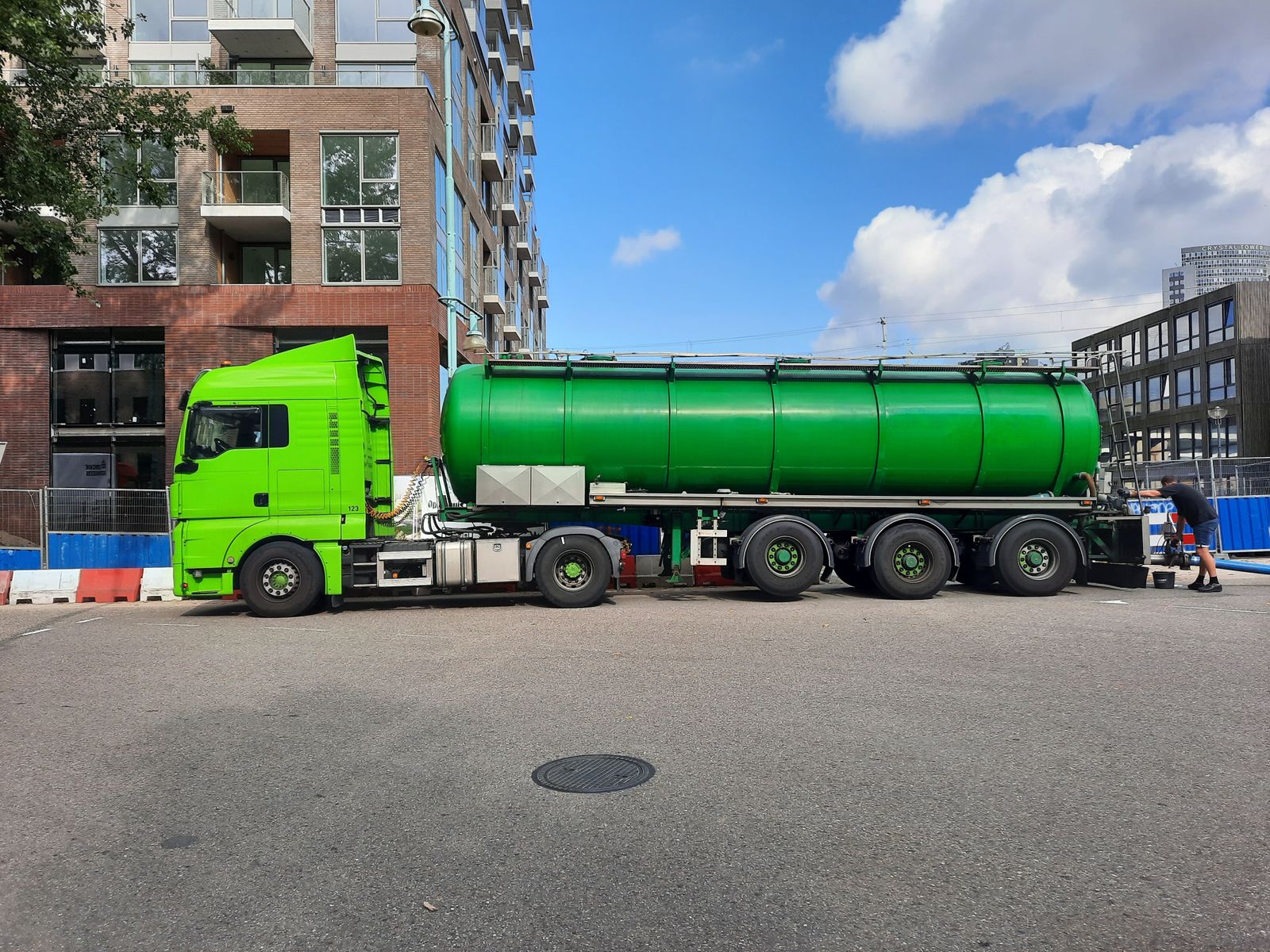
If you've been putting off pumping your septic tank because you're not sure what it'll cost, I get it. Nobody wants to call a company blind and hope the price is fair. I've spent a lot of time digging into what septic services actually charge across the country, and I want to give you a clear picture of what pumping costs in 2026 — no vague ranges, no fluff.
The short answer is that most homeowners pay between $300 and $600 for a standard septic tank pump-out. The national average sits right around $400 to $450. But your actual bill could be higher or lower depending on a few key factors, and understanding those factors is the difference between feeling confident about the price and wondering if you got overcharged.
Let me break it all down.
What Does Septic Tank Pumping Actually Involve?
Before I get into the numbers, it helps to understand what you're paying for. When a septic service company comes to pump your tank, they're doing a few things. A vacuum truck connects a large hose to your tank's access lid and extracts the liquid, sludge, and floating scum that have accumulated since the last pump-out. The technician then hauls that waste to a licensed disposal facility. The whole process usually takes 45 to 90 minutes, depending on tank size and how much buildup is inside.
Some companies include a basic visual inspection as part of the service — checking baffles, looking at sludge levels, and noting any obvious issues. Others charge separately for inspections. It's worth asking upfront what's included so you're not surprised by the bill.
Average Septic Tank Pumping Cost by Tank Size
Tank size is the single biggest factor in what you'll pay. Larger tanks hold more waste, take longer to empty, and cost more in disposal fees. Here's what you can expect in 2026 based on common residential tank sizes:
A 750-gallon tank — typically found in smaller or older homes with one to two bedrooms — generally costs between $250 and $350 to pump. These are the simplest jobs and usually go quickly.
A 1,000-gallon tank is the most common residential size in the United States. Most building codes require at least 1,000 gallons for a three-bedroom home. Pumping this size tank typically runs $350 to $500, which is right in the sweet spot of the national average.
A 1,250-gallon tank serves slightly larger homes and costs roughly $400 to $550 to pump. The difference from a 1,000-gallon tank isn't dramatic, but it does add time and disposal volume.
A 1,500-gallon tank — common in four-bedroom homes — usually costs $450 to $600 to pump. At this size, you're getting into the higher end of the typical range.
A 2,000-gallon tank or larger is found in bigger properties, multi-family homes, or commercial applications. Expect to pay $600 to $1,000 or more. These tanks require significantly more pumping time and disposal capacity.
If you're not sure what size tank you have, your property records or the original home inspection report should list it. You can also ask the technician to check the stamp on the tank lid during your first service — that information makes future estimates more accurate.
What Else Affects the Price?
Tank size sets the baseline, but several other factors can push your cost up or down.
Accessibility is one of the most common reasons a bill comes in higher than expected. If your tank lid is buried under dirt and the technician needs to dig to find it, many companies charge an extra $50 to $150 for excavation. Tanks located behind fences, under decks, or on steep terrain take more time and effort to reach. One simple way to permanently reduce this cost is to install risers — plastic extensions that bring the tank lid up to ground level. Risers typically cost $200 to $400 to install, but they pay for themselves within two or three pump-outs by eliminating digging fees every time.
How long it's been since the last pumping matters more than most people realize. A tank that gets pumped every three to five years on schedule will have manageable sludge levels. A tank that hasn't been serviced in seven, ten, or fifteen years will likely have compacted sludge at the bottom that's harder and more time-consuming to remove. This can add $100 to $300 to the job, and in extreme cases, the company may need to make a second trip.
Where you live plays a significant role in the final price. Septic pumping costs vary by region based on labor rates, disposal facility fees, and how many competing providers operate in your area. In the Southeast — states like Georgia, North Carolina, and Tennessee — costs tend to be on the lower end, often $275 to $450 for a standard pump-out. The Northeast runs higher, with homeowners in states like Pennsylvania and Massachusetts typically paying $350 to $550. West Coast pricing is the highest nationally, and parts of the Midwest fall somewhere in between.
Rural areas generally have lower prices than urban or suburban areas, partly because disposal facilities are closer to where septic systems are concentrated. However, if you live in a very remote area, some companies charge a trip fee based on distance traveled.
Seasonal timing can affect your bill too. Spring is peak season for septic pumping — the ground has thawed, real estate transactions are heating up, and homeowners are thinking about outdoor maintenance. That increased demand can mean higher prices and longer wait times. If your tank isn't urgent, scheduling in mid-summer or early fall can sometimes save you 10 to 15 percent. Avoid scheduling in winter if you live in an area with frozen ground — the added difficulty of accessing the tank in those conditions drives costs up significantly.
Emergency Pumping: Expect to Pay More
If your septic system has already backed up into your house or sewage is surfacing in your yard, you're dealing with an emergency. Emergency and after-hours pumping typically costs $800 to $1,500 or more — roughly double to triple the cost of a routine pump-out. Weekend and holiday calls carry even higher premiums.
The frustrating truth is that most septic emergencies happen because routine pumping was delayed too long. The sludge builds up, overwhelms the system, and you're left calling someone at 10 PM on a Saturday night paying top dollar for a problem that $400 of preventive maintenance would have avoided.
If you find yourself in an emergency situation, look for a provider that offers 24/7 service and has clear emergency rates. Knowing who to call before a crisis happens makes a stressful situation much more manageable.
Additional Services That May Affect Your Bill
When the pumping company is already on site, they may recommend additional services. Some of these are genuinely useful, and some can wait. Here's what you might see:
A septic inspection — a more thorough evaluation of your system's condition — typically costs $250 to $400 on top of pumping. Many states require inspections during real estate transactions, and some require them every one to three years depending on the system type. If you're due for an inspection anyway, bundling it with a pump-out is usually cheaper than scheduling them separately.
Effluent filter cleaning or replacement runs $50 to $300. Your filter prevents solids from leaving the tank and entering the drain field. Cleaning it during a pump-out is cheap insurance against drain field damage.
Septic tank riser installation, as I mentioned, costs $200 to $400 and is one of the best investments you can make for long-term savings on future pump-outs.
Drain field evaluation may be recommended if the technician notices signs of saturation or slow drainage. This can range from a simple visual inspection (sometimes included) to a more involved assessment costing $100 to $300.
How Often Should You Pump Your Septic Tank?
The EPA recommends having your septic tank inspected every one to three years and pumped every three to five years. But the right schedule for your household depends on two main factors: tank size and the number of people living in the home.
A family of four with a standard 1,000-gallon tank should generally pump every two to three years. A couple in the same house might stretch to four or five years. A single person with a larger tank could go even longer — but I'd still recommend at least an inspection every three years to catch problems early.
Certain habits shorten the interval between pump-outs. Using a garbage disposal adds significantly to the solid waste entering your tank — if you use one regularly, plan on pumping every two to three years regardless of household size. Doing many loads of laundry in a single day can overwhelm the system with water, pushing solids into the drain field before they've settled. Spreading laundry across the week is one of the simplest things you can do to extend the life of your system.
What Happens If You Skip Pumping?
Delaying routine pumping is one of the most expensive mistakes a septic homeowner can make. When the sludge layer gets too thick, solids escape into the drain field and clog the soil. Once that happens, you're no longer looking at a $400 pump-out — you're looking at a drain field replacement that costs $3,000 to $15,000 or more depending on your property.
System failure can also cause sewage to back up into your home through drains and toilets, creating a health hazard and a cleanup bill that runs into the thousands. And if contamination reaches groundwater, you could face environmental fines from your local health department.
The math is straightforward: spending $400 every three to five years on pumping is dramatically cheaper than dealing with a failed system.
How to Find a Septic Pumping Provider
Finding a qualified, licensed septic service provider is the other half of the equation. You want someone who shows up on time, charges a fair price, explains what they find, and doesn't pressure you into services you don't need.
I'd recommend getting at least two to three estimates before scheduling service. Ask each company what's included in the base price — pumping only, or pumping plus a basic inspection? Ask whether there are additional fees for digging, distance, or access issues. And always confirm that the company is licensed and insured in your state.
If you need help finding a provider, I built this directory to make that process easier. You can search by state to find septic service companies in your area, compare their credentials and services, and connect directly.
The Bottom Line
Septic tank pumping is one of those expenses that's easy to put off but important to stay ahead of. In 2026, most homeowners pay between $300 and $600 depending on tank size, location, and accessibility. The national average is roughly $400 to $450. Emergency pumping costs significantly more — often double or triple — which is all the more reason to stay on a regular maintenance schedule.
The most practical things you can do to keep costs predictable are: pump on schedule every three to five years, install risers so the lid is accessible, avoid putting things down the drain that don't belong in a septic system, and find a reliable local provider before you need one urgently.
Your septic system handles a critical job quietly underground. A few hundred dollars every few years is a small price to keep it running right.